Industry Certified
MTA WA members and DMRIS licensed mechanics—meeting Western Australia’s strictest trades and safety standards on every single vehicle repair.

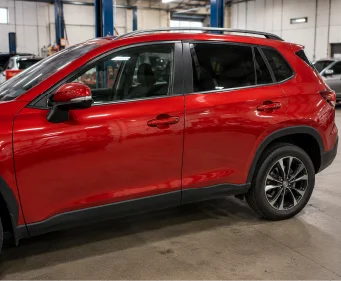

ALL MAKES & MODELS

EXPERT TECHNICIANS QUALITY GUARANTEED

INSURANCE APPROVED
WE WORK WITH ALL INSURANCE COMPANIES
Your car deserves more than a quick fix—it needs a top-rated mechanic who gets it right the first time. Alpha Smash Repair is a family-owned Perth mechanic trusted for honest, reliable, affordable servicing, handling everything under one roof.
Every classic, electric, or commercial vehicle maintenance starts with a detailed evaluation and a transparent quote you approve before we touch a thing. Our qualified technicians use quality work parts, modern equipment, and take pride in work that lasts.
Ready to book? Call Alpha Smash Repair or book online—same-day service available.







MTA WA members and DMRIS licensed mechanics—meeting Western Australia’s strictest trades and safety standards on every single vehicle repair.

Licensed, insured, and warranty-backed on every job—because Perth drivers deserve top mechanics who genuinely stand behind their car repairs.

Modern workshop tools and state-of-the-art diagnostic equipment enable accurate fault detection, faster repairs, and reliable car service.

We use dealer-grade computerised scanning tools to accurately read fault codes across all makes, models, and vehicle systems.

Our full diagnostic scan covers engine, transmission, ABS, airbags, electrical systems, sensors, emissions, and fuel system faults.

Most diagnostics are completed within 30 minutes—same day results, clear fault report, and honest repair quote guaranteed.

Had a great experience with Alpha! Not only did they do exceptional work they went above and beyond to keep us happy - even cleaning the car. Well priced work. After running around getting quotes - Driving away we felt like we made the best choice. 100% Recommend 👍🏼
Great service and professional attitude and service. The team looked at my car on the same day and gave me a quotation the next day and booked me in the following week. They provided reasonable quotation, great service and answered to all my queries promptly and professionally. High recommended.
I just had my JACKEROO repaired and I am blown away by the quality of the work and the friendly team. I highly recommend this company. Thanks guys.
Alpha did really good job. Thanks.
Best repair service we’ve had — honest and knowledgeable. We went to several workshops and they all suggested a full replacement, quoting over $2k. These guys were the only ones who recommended repairing instead, and the work was done efficiently and beautifully. Saved us a lot of money — didn’t even need to go through insurance 👍
" Lads did a fantastic job, Got full respray done on my ute. Highly recommended."
Did an excellent and quick job on my wife's KIA.
Lads did a good job on my corolla.
Quick and quality repairs in affordable budget. 👍
Repairs on my Ford Ranger Wildtrek were excellent and were done in a timely manner.The repairs were for a rear bumper but my ute was immaculately cleaned inside the cab as well.Will definately recommend these guys to anyone.
The peeling paint is gone, and now it’s looking better than before. If you’ve got any paint issues taking it to ALPHA SMASH REPAIR, they worked like a charm and the finish is flawless…highly recommended. Special thanks to Raza Hassan, Paula and the painters. Well done job mates.
Great service and excellent repair quality. Staff were professional and kept me informed. The only downside was the wait time, but overall, highly recommended for reliable repairs.
The most helpful Alpha Smash Repair team, led by Raza Hassan, fixed my car damage in no time. I was most impressed with the level of professionalism of the whole team. Definitely ten out of ten! I would like to recommend most warmly this company to everybody who need to fix their car damage in a hassle-free manner. Dr. Milos Nedved, Willetton
No matter what you drive, Alpha Smash Repair has got you covered. We offer professional repair and maintenance services across Perth for a wide range of vehicles—from everyday passenger cars to SUVs and heavy-duty utes.


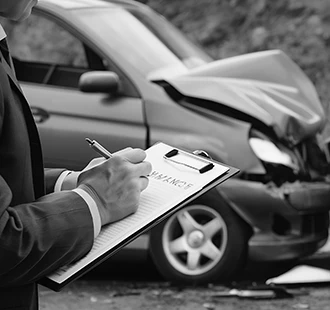
Our mechanics begin the repair procedure by conducting a thorough car inspection using the best tools to identify all the major or minor issues.
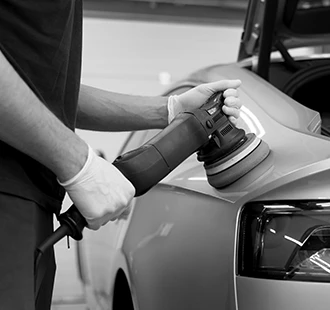
We provide a transparent price quote and help you with the insurance claim work to make the entire repair process as easy as possible.
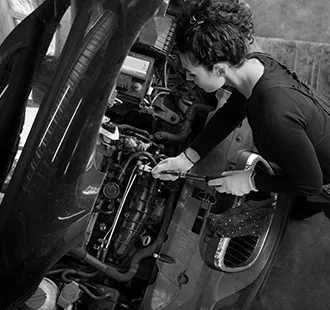
Our skilled mechanics perform expert repairs on your vehicle using industry-leading equipment and procedures to deliver the optimal outcomes.
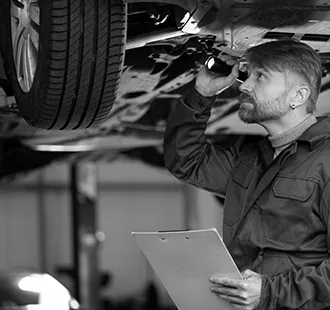
Our skilled mechanics perform expert repairs on your vehicle using industry-leading equipment and procedures to deliver the optimal outcomes.
Early repairs prevent bigger Problem
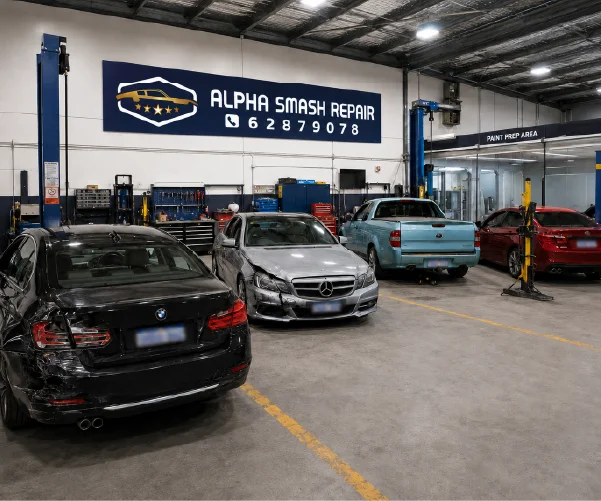
Every repair at our Willetton workshop is overseen by Raza Hassan, our founder and lead panel technician with over 17 years of hands-on experience in panel beating, collision repair and automotive refinishing. We're a Motor Trade Association (MTA) member and a licensed repairer, and we back every job with a lifetime workmanship guarantee.
No call centres, no runaround you deal directly with the people fixing your car. If a cheaper repair will do the job, we'll tell you. That's how we've earned a 4.8-star rating from Perth drivers.
The cost of booking a well-trained mechanic depends on:
Type and complexity of repair
Make and model of your vehicle
Parts and materials required
The expertise and experience level of a mechanic
You can conveniently hire a reputable and qualified car mechanic in Perth by contacting Alphasmashrepair through email or phone.
Car mechanical repair is the process of fixing the core systems of the vehicle, including:
Engine
Transmission
Brakes
Steering
Suspension
The time mechanics take to repair your car flawlessly depends on:
Type of repair
Type of vehicle
Workload and schedule of the mechanic
Additional diagnostic services
Availability of parts and materials
Yes, we offer a guarantee on all our mechanical repairs as we always use authentic parts and high-end tools.
Yes, our mechanics always respond quickly to all your queries, ensuring you receive the reliable support and best repair solutions for your damaged car to get back on the road quickly.
Yes, we offer free repair quotes to let our customers make an informed decision.
You should schedule a repair service with the best car mechanic in Perth every six months or 10,000 kilometers.
Yes, we have certified mechanics who can handle both minor and complex repairs on your car using a professional approach.
Read online reviews
Visit the workshop
Check for industry specialization
Evaluate communication
Verify specialized training