
-
Services
Our Services
- Panel Beating
- Dent Removal
- Car Spray Painting
- Bumper Repair
- Windscreen Replacement
- Fleet Repairs Perth
- Hail Damage Perth
- Luxury Car smash repair
- Car Mechanic Perth
- Car Scratch Repair Perth
- Ceramic Coating
- Car Insurance Claim
- Minor Accident Repair
- full car respray Perth
- Car repainting perth
- colour change respray
- paint restoration Perth
Our Locations
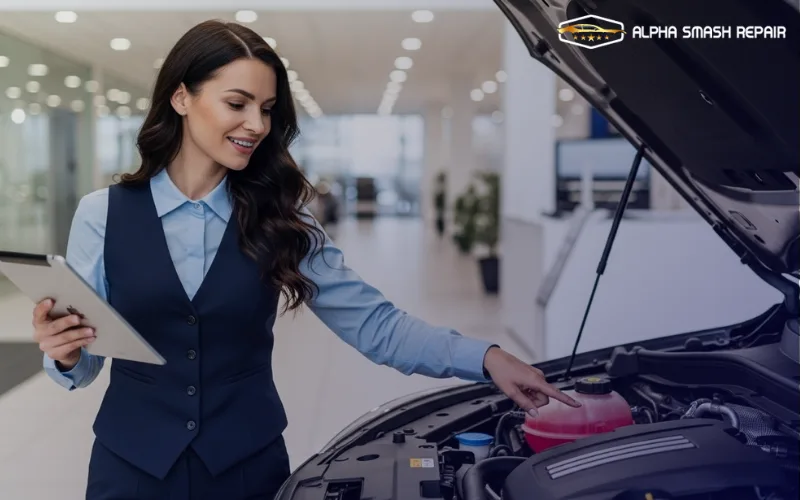
Learning how to inspect a used car properly can save you thousands of dollars and prevent you from buying a complete disaster. Whether you're looking at a car on the side of the road for a couple grand or shopping at a dealership, this comprehensive guide will teach you exactly how to inspect a used car like a pro.
Why You Need to Know How to Inspect a Used Car
We see people making horrendous and potentially very expensive mistakes all the time when buying used cars. Don't get stuck with a lemon - follow this ultimate used car inspection guide in five easy stages to make buying used cars as easy and painless as possible.
Stage 1: Pre-Inspection Planning
Choose the Right Car for Your Needs
Before you learn how to inspect a used car, make sure you're looking at the right type of vehicle. We see people buying the wrong genre of car all the time. If you've got a bunch of kids and need a people mover, obviously an MX-5 isn't right for you. The classic mistake is families buying 4x4 dual cab utes when they have no intention of ever venturing off-road.
Budget Realistically for Used Car Inspection
Here's crucial advice for how to inspect a used car financially: if you have $10,000 to spend, you actually have $8,000 to spend on the car. You need money left over for:
- Registration and insurance
- New tires if needed
- Service after purchase
- Emergency repairs
Stage 2: How to Inspect a Used Car Exterior
Essential Preparation for Used Car Inspection
Don't dress rich - if you look wealthy, there's not much chance the seller will give you a discount. Take a torch with you - we'll explain why this is critical for proper used car inspection.
Inspect in proper lighting - get the car under the most light possible. You know how only beautiful people look good under fluorescent lighting? It's the same for cars. Never inspect a used car at night, dusk, or in rain - these conditions hide problems.
The PER POD SWITCH System for Used Car Inspection
When learning how to inspect a used car, use this simple acronym: PER POD SWITCH
P - Paint Inspection Go over the entire car and ensure paint matches in color and texture between all panels. Touch the car - it should feel the same across all panels. If you can't inspect in daylight, use your torch on all panels. Mismatched paint means accidents or repairs.
E - Panel Gap Examination Check all panel gaps - they should be uniform. Uneven gaps indicate accident damage. Open and close everything: doors, sunroof, boot, bonnet.
R - Overspray Detection Use your torch to check under wheel arches, inside air vents, and around the engine bay. Spray paint overspray means the car has been repainted - not a good sign. Check all bolts on inner guards for differences or scratched paint.
P - Dents and Damage Assessment Most cars have minor dents and scratches - these give you bargaining power. However, scratches to bare metal require repair and can rust. Check that bumpers and plastic parts are properly attached.
O - Overall Condition Check Look for any obvious damage or poor repairs that might indicate larger problems.
D - Detailed Wheel Inspection Light wheel scratching is acceptable, but major gouges or damage can affect suspension and alignment, causing ongoing tire wear issues.
S - Tire Inspection Strategy
- Buy from recognized tire brands - cheap is never cheerful
- Ensure tires match across all four wheels
- Mismatched brands show the owner cuts corners financially
- Check wear patterns - uneven wear indicates alignment or suspension problems
- Outside wear means aggressive cornering
- Nearly slick tires mean immediate replacement needed (negotiate $1,000+ off)
W - Wheel Condition Assessment Examine wheels for damage that could affect safety and performance.
I - Interior Condition Evaluation Interior wear should match odometer readings. Excessive wear for indicated mileage suggests tampering or abuse.
T - Tire Condition (Final Check) Verify tire safety and remaining life.
C - Coolant, Oil, and Condition Check Use the COC method:
- Coolant: Look for fresh color (red/green) in overflow bottle
- Oil: Check dipstick for proper level and clean, non-milky appearance
- Condition: Use torch to check for leaks, listen for unusual noises
H - Hood and Engine Assessment Check general engine bay condition and listen for proper operation.
Stage 3: How to Inspect a Used Car Interior
Odometer and Interior Correlation
When learning how to inspect a used car interior, compare odometer readings to actual wear. The condition should match the mileage. High mileage with good interior condition indicates careful ownership. Excessive wear for low mileage suggests:
- Odometer tampering
- Vehicle abuse
Check back seats, boot condition, and ensure there's a proper spare tire.
Take a Break During Used Car Inspection
This is critical when learning how to inspect a used car - emotions and adrenaline can cloud judgment. Take a coffee break, calm down, and objectively consider any concerns before proceeding.
Stage 4: How to Inspect a Used Car Through Test Driving
Pre-Drive Used Car Inspection Checklist
Before test driving:
- Adjust seat, steering, mirrors for comfort
- Test all electrical functions
- Check lights, indicators, air conditioning
- Ensure all fan speeds and temperature controls work
Important: Broken air conditioning can cost thousands.
How to Inspect a Used Car During the Test Drive
Listen carefully:
- Turn off stereo and radio
- Listen for engine noises, rattles, squeaks
- Manual transmissions should shift smoothly
- Automatics shouldn't hunt for gears
Test vehicle dynamics:
- Check steering response
- Find open space for turning circles
- Listen for drivetrain noises
- Test over bumps for suspension sounds
- Ensure smooth acceleration without flat spots
- Rev to redline and check for smoke
- Test braking for pulling or vibrations
Function testing:
- Try cruise control and safety features
- Test all buttons and switches
- Verify backup cameras and sensors work
Stage 5: How to Inspect a Used Car Documentation and Final Checks
Service History Inspection
Solid service history is critical when learning how to inspect a used car. Check:
- Up-to-date service books
- Receipts for major work
- Regular maintenance intervals
- Authorized service providers
Professional Pre-Purchase Inspection
This is absolutely critical for how to inspect a used car properly. Book a professional pre-purchase inspection. Here's why: I nearly bought a car that passed all surface inspections, but professional inspection revealed major accident damage and dangerous repairs that would have been a disaster.
How to Inspect a Used Car for Legal Issues
Check for outstanding finance - you don't want to buy someone else's debt. Verify clean title and proper registration.
Used Car Inspection Negotiation Tips
Don't lowball, but don't get ripped off. Use documented issues from your inspection for fair negotiation.
Advanced Used Car Inspection Techniques
Cold Start Inspection Method
Always insist on a cold start - engine off overnight or several hours minimum. Listen from outside while someone starts it for:
- Unusual startup noises
- Belt squeals
- Irregular engine behavior
Professional Tools for Used Car Inspection
Essential equipment:
- High-intensity torch (1000+ lumens)
- Basic OBD2 scanner
- Used car inspection checklist
- Your nose for smell testing
How to Inspect a Used Car Engine Bay
Look for:
- Fluid leaks around seals
- Belt condition (cheap to replace but indicates maintenance)
- Oil or coolant contamination
- General cleanliness and maintenance evidence
Advanced Smell Test for Used Car Inspection
After test driving, use your "sniffer" to detect:
- Burning oil: Acrid, obvious burning smell
- Coolant leaks: Sweet, distinctive odor
How to Inspect a Used Car for Accident Damage
Professional techniques:
- Check frame rails and crumple zones
- Examine factory bolts (should be untouched)
- Look for welding evidence
- Verify VIN numbers match
Brake and Tire Assessment During Used Car Inspection
Brakes:
- Front brakes wear faster than rear
- Use phone camera through wheel spokes
- Check brake fluid levels
Tires:
- Measure across entire tread, not just center
- 4/32" minimum for safe use
- Look for uneven wear patterns
How to Inspect a Used Car: Red Flags to Avoid
Immediate Deal-Breakers
- Milky oil (head gasket problems)
- Obvious accident damage
- No service documentation
- Strange startup noises
- Exhaust smoke during acceleration
- Major fluid leaks
Warning Signs During Used Car Inspection
- Mismatched tires
- Excessive interior wear
- Seller pressure to buy quickly
- Reluctance to allow thorough inspection
How to Inspect a Used Car: Final Research Tips
Beyond Physical Inspection
- Check online reviews for the model
- Contact parts stores about common problems
- Research typical repair costs
- Understand parts availability
Making Smart Decisions
Remember: for every person complaining online about a car model, there are 200 driving happily without posting about it.
Conclusion: Mastering How to Inspect a Used Car
Learning how to inspect a used car properly is your best defense against expensive mistakes. This systematic approach to used car inspection dramatically increases your chances of finding a reliable vehicle while avoiding costly surprises.
Key takeaways for how to inspect a used car:
- Use systematic inspection methods
- Don't rush the process
- Invest in professional pre-purchase inspection
- Research thoroughly before deciding
- Trust your instincts about red flags
Take time, follow this used car inspection guide, and you'll drive away confident in your purchase. Remember: spending a few extra hours learning how to inspect a used car can save thousands in repairs and give you years of reliable transportation.