
-
Services
Our Services
- Panel Beating
- Dent Removal
- Car Spray Painting
- Bumper Repair
- Windscreen Replacement
- Fleet Repairs Perth
- Hail Damage Perth
- Luxury Car smash repair
- Car Mechanic Perth
- Car Scratch Repair Perth
- Ceramic Coating
- Car Insurance Claim
- Minor Accident Repair
- full car respray Perth
- Car repainting perth
- colour change respray
- paint restoration Perth
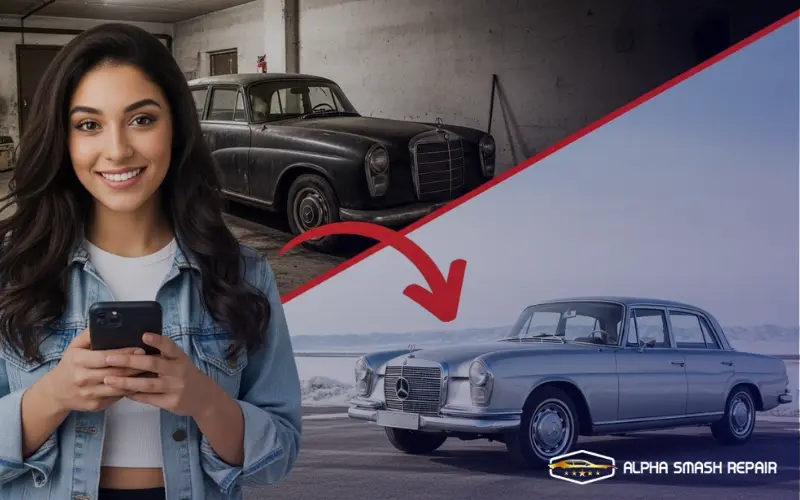
You just found the perfect project car for $500, but it looks absolutely terrible. The paint is oxidized, faded, and swirled up beyond belief. Don't worry - today we're going to show you exactly how to transform this neglected mess into a car with deep, dark, luscious dripping wet paint that looks amazing.
The best part? You can do the exact same thing at home by hand with simple, common products. Nothing expensive that's gonna break the bank, so you're able to go out and get the same exact results with your vehicle.
Finding Your Perfect Project Car
Before we dive into the restoration, let me show you how to find cars like this. It's actually really simple to do - all you have to do is go to your computer, get on the internet, and search Auto Tempest.
This site is super helpful because it searches all the different used-car for-sale sites in one search, so you're not wasting time.
The $250 Minimum Price Trick
Here's a little trick: put $250 for the minimum price to weed out all the people who put $1 that are looking for a trade or looking to part out their car. It's just a wasted search otherwise.
Then put $1,200 for maximum price - a $1,200 car is 90% of the time gonna be less than $1,000 because you always negotiate on these.
Interior Restoration: Starting From the Inside
Fixing Broken Interior Pieces
The first thing we're gonna do is fix the broken and missing interior pieces. Look for things like:
- Missing plastic trim pieces
- Broken center console latches
- Damaged door handles
Center Console Repair: When you have a broken latch hook, simply unscrew the two screws holding the plastic latch, remove the old broken latch, and install the new one. Five dollars and thirty seconds later, you have a center console door that closes properly.
Installing Plastic Trim: Installing plastic trim is super easy - there are usually four tabs that you want to snap in. Just get it aligned and give it a good push till it clicks.
Deep Interior Cleaning Process
Carpet Cleaning Steps:
- Vacuum all the dirt out of the carpet first
- Spray your favorite carpet cleaner down the whole carpet
- Agitate with a plastic brush - this gives you extra clean results
- Wipe down and blot with a towel to absorb cleaner and dirt
- Vacuum again to get any towel lint and freed-up dirt
Seat and Plastic Cleaning: For plastic trim covered in dried mud, grab your soapy water (water and dish soap), spray down the plastic, then clean it up with a paper towel. This stuff comes off pretty easy, which is good.
Paint Correction: The Three-Step Process
Step 1: Wash the Car Thoroughly
Before you do any paint correcting, you need to clean the car:
- Spray it down with water to get dirt off
- Use car soap (foam cannon or bucket of soapy water)
- Wipe down with microfiber wash mitt from top to bottom
- Rinse thoroughly to get all soap and loose dirt off
- Dry the car completely
Step 2: The Three-Stage Paint Correction
Stage 1 - Compound (Most Aggressive):
- Use a microfiber applicator pad (don't use a microfiber towel - it'll absorb too much)
- Spread compound in circular motion with medium pressure
- Watch that oxidized layer coming off onto the applicator pad
- Buff off with clean microfiber towel
Stage 2 - Polish (Fine Finishing):
- Flip applicator pad for fresh surface
- Apply polish same way as compound
- Polish is more fine abrasive - like going from coarse grit to fine grit
- Results from polishing are permanent - won't wash off
Stage 3 - Wax or Sealant (Protection):
- Protects the freshly polished surface
- Wax on, let dry for two minutes until hazy
- Wax off with clean microfiber towel
The Results
The difference is incredible! You go from oxidized, faded paint to paint that has amazing reflection and that dripping wet look. This transformation feels so good and is so rewarding.
Spray Painting Severely Damaged Areas
When Paint Correction Isn't Enough
Some paint work is beyond fixable - there's no amount of buffing or compounding that's gonna get out paint that's down to the metal from sun fade and neglect.
Planning Your Paint Lines
Work with body lines - don't just create hard paint lines. Find spots where you can use panel gaps and tight spots to blend old paint to new paint so you can't see the transition.
Masking and Preparation
- Use garbage bags cut open to cover the rest of the car
- Take your time with tape lines - make them straight and even
- Use folded paper to create rounded tape lines for smoother transitions
- Move other cars away from overspray area
The Sanding Process
Progressive Sanding:
- 180 grit - Remove rough surface and bumps
- 320 grit - Remove 180 grit scratches
- 400 grit - Final smoothing while leaving scratches for paint adhesion
Pro Tip: Wrap sandpaper around a kitchen sponge - the sponge distributes pressure evenly so you won't create hot spots.
The Painting Process
Three-Coat System:
- Primer - Adheres to sanded surface, dries smooth
- Color coat - Three light coats with drying time between
- Clear coat - Protection and gloss (finish with slightly thicker final coat)
Post-Paint Finishing
After 24 hours when paint is hard:
- Remove all masking at sharp angles away from painted surface
- Wet sand with 5000 grit to remove orange peel and haze
- Compound and polish to blend new paint with old
- Wait 30 days before applying wax or sealant (paint needs to cure)
Plastic Restoration: Bringing Gray Back to Black
The Ceramic Coating Secret
The trick to restore faded plastic and keep it looking good for years is using ceramic coating:
Preparation Process:
- Clean with soapy w
- ater and plastic brush for textured surfaces
- Rinse thoroughly and let dry completely
- Wipe with alcohol to prep the surface
Application:
- Put several drops of ceramic coating on foam applicator
- Work into plastic (it absorbs much more than paint would)
- Make sure you don't miss any spots
- Results last 2-3 years and look amazing
Wheel and Tire Restoration
Cleaning Process
- Spray wheel cleaner and agitate with soft bristle brush
- Don't let cleaner dry on wheels or it'll stain badly
- Rinse thoroughly with hose
Removing Stubborn Stains
For brake dust stains embedded in wheel paint:
- Use same compound as paint correction
- Apply to microfiber towel and buff into stained area
- Keep buffing until stain is removed
Tire Finishing
- Use low gloss tire shine for natural look
- Spray on tire and wipe off for perfect amount of shine
- No tire sling and doesn't outshine your freshly polished paint
Headlight Restoration
The Simple Approach
Instead of expensive kits, use the same products you've been using:
Process:
- Wet sand with 5000 grit to remove oxidation
- Compound with more pressure than usual
- Polish to remove scratches from plastic
- Apply ceramic coating for long-term protection (lasts about a year)
Why Ceramic Coating Works
The ceramic coating protects headlights from UV damage, so the haziness won't come back in a couple months like it normally would.
Final Assembly and Finishing Touches
Installing Painted Trim
Adhesive Application:
- Clean both surfaces with alcohol
- Apply thin bead of plastic emblem adhesive around perimeter
- Align carefully (you get one shot)
- Tape in place for 30 minutes to cure
The Final Reveal
After all this work, you have a car that not only runs great but looks amazing. The best part is you did the entire job by hand with no fancy tools or expensive products, proving that you can get professional results at home.
Key Takeaways for Success
Essential Tools and Products
- Microfiber applicator pads and towels
- Compound, polish, and wax/sealant
- Various grits of sandpaper (180, 320, 400, 5000)
- Ceramic coating for plastics and headlights
- Basic spray paint system (primer, color, clear)
Time and Patience
This compounding, polishing, and waxing process is definitely tiring - you need medium to heavy pressure, so doing this by hand gives you a good workout. But the results are absolutely worth it.
The Transformation
Going from a neglected, non-running $500 car to something that looks this amazing is incredibly rewarding. The paint correction alone creates that deep, wet shine that makes the car look like it just rolled off the showroom floor.
Conclusion: You Can Do This at Home
The most important thing to remember is that you can achieve these same exact results at home yourself. No fancy tools, no expensive products - just the right technique, quality materials, and some elbow grease.
Whether you're dealing with oxidized paint, faded plastic, dirty wheels, or cloudy headlights, these proven methods will transform your project car into something you'll be proud to drive and show off.