
-
Services
-
 Panel Beating
Expert Body Restoration
Panel Beating
Expert Body Restoration
-
 Dent Removal
Professional Dent Restoration
Dent Removal
Professional Dent Restoration
-
 Car Spray Painting
Premium Paint Finish
Car Spray Painting
Premium Paint Finish
-
 Bumper Repair
Strong Seamless Repairs
Bumper Repair
Strong Seamless Repairs
-
 Windscreen Replacement
Professional Glass Replacement
Windscreen Replacement
Professional Glass Replacement
-
 Fleet Repairs Perth
Reliable Fleet Maintenance
Fleet Repairs Perth
Reliable Fleet Maintenance
-
 Hail Damage Perth
Expert Hail Restoration
Hail Damage Perth
Expert Hail Restoration
-
 Luxury Car smash repair
Premium Accident Restoration
Luxury Car smash repair
Premium Accident Restoration
-
 Car Mechanic Perth
Professional Vehicle Servicing
Car Mechanic Perth
Professional Vehicle Servicing
-
 Car Scratch Repair Perth
Professional Scratch Restoration
Car Scratch Repair Perth
Professional Scratch Restoration
-
 Ceramic Coating
Long Lasting Protection
Ceramic Coating
Long Lasting Protection
-
 Car Insurance Claim
Hassle Free Assistance
Car Insurance Claim
Hassle Free Assistance
-
 Minor Accident Repair
Expert Accident Repairs
Minor Accident Repair
Expert Accident Repairs
-
 Full Car Respray Perth
Complete Vehicle Refinishing
Full Car Respray Perth
Complete Vehicle Refinishing
-
 Car Repainting Perth
Precision Colour Matching
Car Repainting Perth
Precision Colour Matching
-
 Colour Change Respray
Premium Colour Transformation
Colour Change Respray
Premium Colour Transformation
-
 Paint Restoration Perth
Flawless Paint Revival
Paint Restoration Perth
Flawless Paint Revival
-
.png) Quality Worksmanship
Quality Worksmanship
-
Quality Worksmanship
-
Quality Worksmanship
-

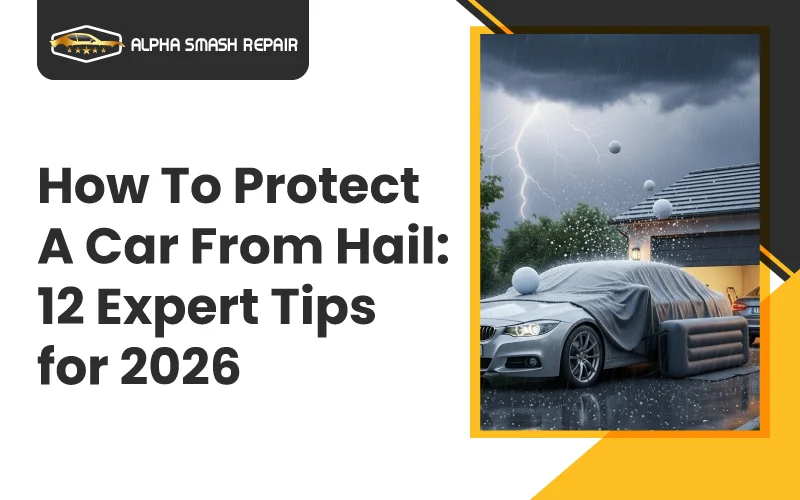
A hailstorm can turn your car into a punching bag in minutes! Those icy pellets seem small, but their impact can leave large dents, shattered windshields, and costly repairs that no car owner wants to face. The big question is: how to protect cars from hail? The good news? With a few smart strategies and proactive steps, you can shield your vehicle from nature's icy assault. From parking hacks and hail protection car covers to innovative hail-resistant products, this guide will give you information about everything you need to keep your car safe against hail. Learn the best strategies to protect your car—and your wallet!
Understanding Hail and Its Risks
Hail refers to frozen precipitation falling from clouds. Hailstones range from tiny pea-sized to large golf-sized chunks. The larger the stone, the more the potential damage to vehicles. It's important to understand both the risks hail poses and why your vehicle is susceptible to damage.
Hailstorm Risks to Vehicles
- Dents and Dings: Small to medium-sized dents can leave noticeable marks on the roof, hood, trunk, and doors.
- Broken Windows and Windshields: Large hailstones may crack or shatter windows, causing additional safety hazards.
- Scratched Paint: Even if the hail doesn't dent the car, it can chip or scratch paint, leading to long-term corrosion if untreated.
- Insurance Claims: Hail damage can increase insurance claims, premiums, and depreciation of the vehicle.
Why Hail Damages Cars
Hailstorms that fall at high speeds can easily dent metal, crack windows, and damage paint. The force of hail impact depends on several key factors. The size of stones matters—larger stones carry more kinetic energy, causing more severe damage. Strong winds can drive hailstones at an angle, hitting car surfaces with more force. Additionally, cars with lightweight panels or older paints are more prone to dents. Understanding these factors helps you appreciate the importance of preventive measures.
Preventive Measures: Keep Your Car Safe from Hail
Park Strategically
Covered Parking
- Garage Parking: A fully enclosed garage provides the highest level of protection. If possible, always park your car in a garage during a hailstorm.
- Carports: Less protective than a garage, but carports with strong roofs can prevent most hail damage. Choose carports with metal or polycarbonate roofs designed to withstand storms.
- Parking Structures: Multi-level parking garages or structures provide a solid shield from hail. Avoid parking under fragile canopies or temporary coverings.
Natural Covers
- Trees and Shrubs: Parking under large, sturdy trees may provide some protection against small hail. However, trees carry risks of falling branches during storms, so they are not a foolproof option.
- Building or Walls: Parking near concrete or building walls can provide partial protection from wind-driven hail.
Avoid Open Spaces
Open parking lots or street parking during the hail season significantly increases the risks of hail, especially if you're in a storm-prone area. Plan your parking accordingly during high-risk seasons.
Use Hail Protector Car Covers
Hailstorm car covers are specifically designed to save your vehicle. Understanding the types and proper usage is essential for maximum protection.
Types of Car Covers
- Hail-Proof Car Covers: These covers have thick padding or inflatable layers to absorb the impact of hailstones. Some hail covers use multiple layers of foam or air pockets to cushion the vehicle.
- DIY Solutions: You can use a heavy car hail blanket, moving pads, or quilts. Use straps to prevent blowing away.
Tips for Using Car Covers
- Ensure the hail-proof cover fully fits the car.
- Wind causes friction, so avoid using materials that can scratch paint.
- For quick protection, you can use inflatable hail covers.
Install Carports or Canopies
Investing in permanent or temporary carports is an effective solution for long-term hail protection.
Permanent Carports
- Metal or steel carports offer excellent hail protection.
- Secure them to withstand strong winds.
- Consider polycarbonate roofs, which allow light through while remaining strong enough to prevent dents.
Temporary Carports
- Pop-up tents or portable car shelters are convenient for short-term protection.
- Look for models with reinforced roofs rated for hail impact.
- Ideal for areas prone to unpredictable hailstorms.
Use Hail Protection Accessories
Several innovative hail protection accessories help reduce hail damage risk.
Magnetic Car Covers
- Magnetic padded covers attach securely to your car's surface, creating a protective cushion that stays in place even during strong winds.
- Portable, lightweight, and can be applied in minutes.
Inflatable Covers
- Inflatable hail protector car covers easily absorb impact by covering the entire car.
- They require manual or automatic inflation.
- They offer excellent protection against large hail.
Window Shields
- Strong, removable shields for windshields and windows can prevent glass breakage.
- Some come with thermal insulation, protecting both from hail and extreme temperatures.
Apply Protective Films
Paint Protection Film
- Transparent PPF is applied directly to the car's exterior surface.
- It protects against minor scratches, paint chips, and small hail impacts.
- Invisible films keep your car aesthetically appealing.
Ceramic Coatings
- Enhances paint resilience and shields against minor paint damage.
- Helpful for minimizing scratches, though not a full substitute for physical protection.
Emergency Measure During Storms
Quick Relocation
- If a storm approaches and your car is outside, quickly move it to the garage, carport, or under a sturdy structure.
- If relocation isn't possible, find a temporary shelter, such as under bridges or covered parking.
Use Available Materials
- Hail blankets, floor mats, or thick jackets can protect the roof and windshield temporarily.
- Cover the most exposed areas: such as windows, hood, and roof.
Stay Safe
- Avoid standing outside during the hailstorm.
- Protect yourself first, then your vehicle.
Monitor Weather Warnings
Modern technology provides early warning systems for hail, giving you time to react immediately. Use these tools to stay informed:
Tools to Monitor Hail
- Weather Apps: Many apps provide real-time hail alerts and radar updates.
- National Weather Services: Agencies issue severe weather warnings with expected hail size.
- Local News and Radio: Local media frequently alert residents about possible hailstorms.
Preparation Tips
- Set alerts for hail advisories in your area.
- Plan your parking during hail season.
- Keep emergency car protection items accessible.
Consider Car Insurance Coverage
Hail Damage Coverage
- Comprehensive car insurance often covers hail damage.
- Check your insurance for coverage details and deductibles.
Filing a Claim
- Photograph hail damage immediately after the storm.
- File claims promptly to ensure coverage.
- Work with authorized repair shops to maintain the warranty and insurance standards.
Advanced Vehicle Protection Options
Add an extra layer of security against hail with some advanced auto hail protection options:
Garage Hail Shields
- Automatic garage shields deploy when a hailstorm is detected.
- Expensive but provides maximum protection against hail.
Hail-Resistant Car Materials
- Some manufacturers offer vehicles with reinforced roofs or hail-resistant panels.
- Aluminium and steel blends vary in durability—this is worth considering when choosing a car for areas that frequently experience hail.
Regular Maintenance and Protection
Inspection Tips
- Check the car after the storm for dents, scratches, and chipped paint.
- Look at windows and mirrors for cracks.
- Address small dents early with professional repair to prevent rust.
Preventive Maintenance
- Waxing adds a protective layer to protect the paint.
- Touch-up kits fix minor scratches and protect the paint.
- Ensure windshield wipers and seals are in good condition to prevent water intrusion through cracks in windows.
DIY Hail Protection Hacks
- Pool Noodles: Cut and place noodles along the roof of the cover, then cover it with a blanket. It's best to create a cushion for small hail.
- Towels or Mats: Layering towels over the roof and hood can reduce impact.
- Cardboard Sheets: Use thick cardboard to cover vulnerable surfaces.
Seasonal and Regional Considerations
Seasonal Trends
- Spring and early summer see the highest hail activity.
- Monitor weather patterns to find higher-risk periods.
Regional Risk
- Cities such as Sydney, Brisbane, and Melbourne experience frequent hailstorms.
- If you live in hail-prone areas, consider permanent protection solutions like garages or reinforced carports.
After Hailstorm: What To Do
- Check for dents and scratches through detailed inspection.
- Look for hairline cracks or chips by inspecting your windows and mirrors.
- Take photos instantly for records.
- For significant dents, consult a professional panel beater.
DIY or Professional Hail Repair: What Works Best?
| Aspect | DIY Hail Damage Repair | Professional Hail Damage Repair |
|---|---|---|
| Best For | Small dents and minor cosmetic damage | Moderate to severe hail damage |
| Cost | Low cost (usually $20–$100 for DIY kits) | Higher cost ($100 to $3,000+, depending on damage) |
| Tools Used | Dent pullers, plungers, hair dryer, compressed air, DIY repair kits | Professional PDR tools and specialized equipment |
| Skill Required | Basic skills; may require practice | Performed by trained technicians |
| Risk Level | Higher risk of damaging paint or making dents worse | Minimal risk when handled by professionals |
| Repair Quality | Results may vary and may not fully remove dents | High-quality results with proper dent removal |
| Time Required | Can take longer and involves some trial and error | Usually faster and more efficient |
| Insurance Compatibility | Not covered by insurance | Often covered under comprehensive insurance |
How to Choose Professional Panel Beaters for Hail Damage
- Check Experience and Expertise: Choose panel beaters with proven experience in handling different types of vehicle damage, including dents, collisions, and hail repairs.
- Look for Certifications and Qualifications: Ensure the technicians are properly trained and hold industry certifications that demonstrate professional repair standards.
- Evaluate Reputation and Customer Reviews: Check online reviews, testimonials, and ratings to understand the quality of service and customer satisfaction.
- Inspect the Workshop and Equipment: A well-organized workshop equipped with modern repair tools usually reflects a professional and reliable service provider.
- Ask about Insurance Assistance: Reliable panel beaters often work with insurance companies and handle all the paperwork for their customers.
- Request a Detailed Quote: Always ask for a detailed, clear, and written estimate that outlines repair costs, labor charges, and the expected timeline.
- Check Warranty on Repairs: Repairs by professionals often come with warranties.
- Assess Communication and Customer Service: Choose a workshop that communicates clearly, answers your questions, and keeps you informed throughout the hail damage repair on the car.
Frequently Asked Questions
Do car covers protect against hail damage?
Yes, hail protection car covers lower the impact of hailstones. These hail protector car covers are designed with thick padding or multi-layer materials that help prevent dents and scratches.
What is the best way to protect a car from hail?
- Use a garage or covered parking area.
- Use a padded hail-resistant car cover or portable car shelter.
Can hail break a car windshield?
Yes, large hailstones can crack or shatter the car windshield.
How can I protect my vehicle if I have no garage?
No garage? Consider using a hail protection car cover, portable carport, or parking in covered parking areas.
What size hail can damage a car?
Even pea-sized hailstones can damage the car paint, or larger ones can cause dents, cracked glass, and significant body damage.
Does car insurance cover hail damage?
Yes, most comprehensive policies cover hail damage, subject to a deductible.
Are anti-hail car covers worth investing in?
Yes, anti-hail car covers are a worthwhile investment, especially in areas with frequent hailstorms. They cost far less than repairing the dents by a professional team.
Can I use blankets or towels to protect my car from hail?
Yes, thick blankets, towels, or moving pads can offer temporary protection if a hailstorm arrives suddenly.
How do I know if a hailstorm is coming?
You can track hailstorms by checking weather apps, radar forecasts, and severe thunderstorm warnings. Many apps also send real-time hail alerts.
Can paint protection film prevent hail damage?
Yes, paint protection films help prevent minor scratches and paint chips, but they cannot fully stop dents caused by large hailstones.
How expensive is the hail damage repair cost?
- Minor repairs cost: $100–$500
- Major repairs cost: $1,000 to $3,000 or more
Conclusion: How to Protect a Car from Hail
Protecting your car from hail needs preparation, awareness, and quick response. From parking in a garage and using specialized car covers to a vehicle hail blanket, small steps can prevent costly damage. Staying informed through weather alerts, investing in long-term protection like paint films, and having proper insurance coverage ensure your car stays protected even when nature strikes suddenly. Remember: A few minutes of protection now, save big tomorrow!