We Measure First
Clear coat is finite. We gauge thickness panel by panel before polishing, so we never cut past what your paint can safely give up.

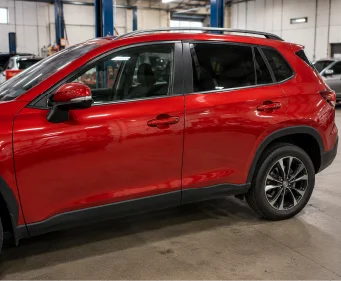

ALL MAKES & MODELS

EXPERT TECHNICIANS QUALITY GUARANTEED

INSURANCE APPROVED
WE WORK WITH ALL INSURANCE COMPANIES
Dull, hazy or lightly oxidised paint often doesn't need respraying at all. Paint restoration removes a controlled, microscopic layer of clear coat with a machine polisher, levelling the surface so light reflects evenly again. Your original factory paint stays on the car.
We measure paint thickness before touching a panel. That tells us how much correction is safe, and whether restoration will actually fix what you're seeing.
Paint restoration can address:
Book a free paint assessment with Alpha Smash Repair and we'll tell you honestly what's achievable today!







Clear coat is finite. We gauge thickness panel by panel before polishing, so we never cut past what your paint can safely give up.

If a scratch has gone through the clear coat, polishing won't remove it. We tell you that upfront rather than charging for a result we can't deliver.

Because we're a refinishing workshop, we can compare correction against a repaint honestly — and recommend the cheaper option when it's the right one.

Paint hardness varies enormously between makes. Our technicians train on matching pad and compound combinations to each vehicle, because the wrong pairing either achieves nothing or removes far too much clear coat.

Defects hide under ordinary workshop light. Our team works under high-intensity LED inspection lighting, learning to identify swirls, holograms and etching that only appear at specific angles.

The most important skill in correction is restraint. Our specialists train to recognise the point where further cutting risks clear coat failure, and to stop there even if a defect remains.

Had a great experience with Alpha! Not only did they do exceptional work they went above and beyond to keep us happy - even cleaning the car. Well priced work. After running around getting quotes - Driving away we felt like we made the best choice. 100% Recommend 👍🏼
Great service and professional attitude and service. The team looked at my car on the same day and gave me a quotation the next day and booked me in the following week. They provided reasonable quotation, great service and answered to all my queries promptly and professionally. High recommended.
I just had my JACKEROO repaired and I am blown away by the quality of the work and the friendly team. I highly recommend this company. Thanks guys.
Alpha did really good job. Thanks.
Best repair service we’ve had — honest and knowledgeable. We went to several workshops and they all suggested a full replacement, quoting over $2k. These guys were the only ones who recommended repairing instead, and the work was done efficiently and beautifully. Saved us a lot of money — didn’t even need to go through insurance 👍
" Lads did a fantastic job, Got full respray done on my ute. Highly recommended."
Did an excellent and quick job on my wife's KIA.
Lads did a good job on my corolla.
Quick and quality repairs in affordable budget. 👍
Repairs on my Ford Ranger Wildtrek were excellent and were done in a timely manner.The repairs were for a rear bumper but my ute was immaculately cleaned inside the cab as well.Will definately recommend these guys to anyone.
The peeling paint is gone, and now it’s looking better than before. If you’ve got any paint issues taking it to ALPHA SMASH REPAIR, they worked like a charm and the finish is flawless…highly recommended. Special thanks to Raza Hassan, Paula and the painters. Well done job mates.
Great service and excellent repair quality. Staff were professional and kept me informed. The only downside was the wait time, but overall, highly recommended for reliable repairs.
The most helpful Alpha Smash Repair team, led by Raza Hassan, fixed my car damage in no time. I was most impressed with the level of professionalism of the whole team. Definitely ten out of ten! I would like to recommend most warmly this company to everybody who need to fix their car damage in a hassle-free manner. Dr. Milos Nedved, Willetton


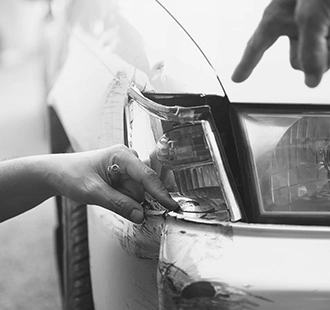
Please drop off your damaged car, or let us arrange a tow for you. Our certified technician will take a close look at your vehicle to assess the dent damage and provide you with an honest pricing quote.
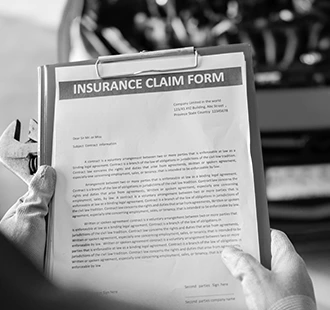
We assist you with insurance claims to help save you money. Our team handles the submission of all the necessary documents directly to your insurer.
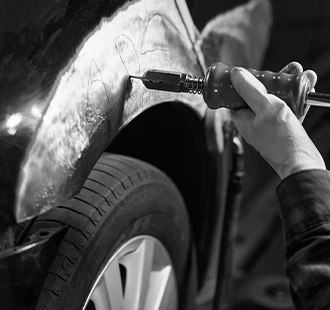
After approval, our experts meticulously remove the dent by using push and pull tools, ensuring the car’s paint remains untouched.
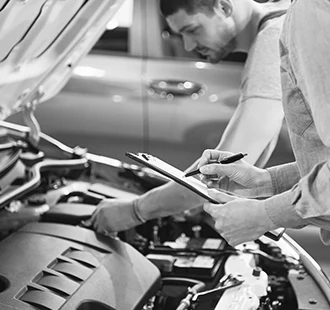
Finally, we inspect your vehicle to ensure a smooth appearance and flawless dent removal. You can either take your car from our shop or opt for our delivery service.
Get Free quotes and insurance claim support
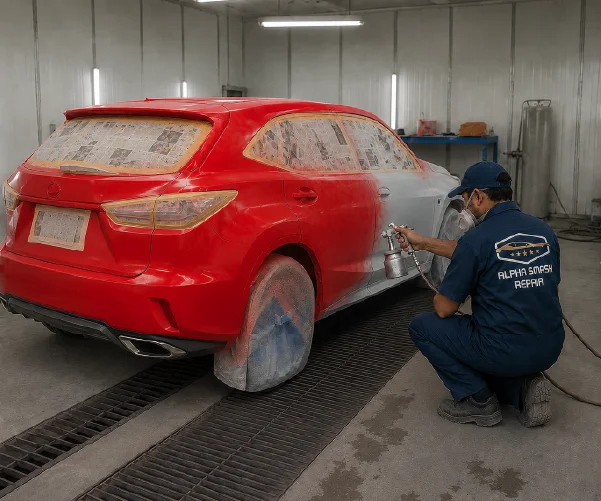
Every paint assessment at our Willetton workshop is overseen by Raza Hassan, our founder and refinishing lead, with over 17 years of hands-on experience in panel beating, collision repair and automotive refinishing. We're a Motor Trade Association (MTA) member and a licensed repairer, and we back every job with a lifetime workmanship guarantee.
No call centres, no runaround — you deal directly with the people working on your car. If correction won't fix it, we'll say so. That's how we've earned a 4.8-star rating from Perth drivers.
A single-stage correction for light swirling and dullness typically starts around $400. A two-stage correction for moderate swirls, oxidation and light scratches usually runs $800 to $1,000, and multi-stage work on heavily oxidised or dark paint can exceed $1,200. Price depends on vehicle size, paint condition and how many stages your paint needs.
Paint restoration keeps your original paint and removes defects from the existing clear coat with a machine polisher. A respray replaces the paint entirely. Restoration is far cheaper and faster, but it can only fix defects sitting within the clear coat.
Effectively yes — cut and polish is the Australian term for the same process. The cut refers to the compound that levels the surface, and the polish refers to the refinement stage that restores gloss and clarity.
Yes, by a microscopic amount, which is exactly why we measure first. Modern clear coat can safely give up a small amount of thickness. We gauge each panel before starting and stop well short of the safe limit.
No. If you can catch a fingernail in a scratch, it has gone through the clear coat and polishing cannot remove it. We can reduce its visibility, but a permanent fix means repainting that panel. We'll tell you which situation you're in at assessment.
Usually yes, provided enough sound clear coat remains underneath. Oxidation is surface deterioration, and levelling it off restores gloss dramatically. If the clear coat has already started peeling or flaking, correction won't hold and a respray is the honest answer.
Most vehicles take one to three days. A light single-stage polish can be four to six hours; a full multi-stage correction on a dark prestige car can run well past twenty hours of labour.
The correction itself is permanent — the defects are gone. How long the finish stays that way depends on washing technique and protection. Poor washing reintroduces swirl marks within months, which is why we recommend ceramic coating afterwards.
It's the logical next step. Correction gives you a clean, level surface, and a coating locks that finish in and makes it far easier to keep. Coating uncorrected paint simply seals the existing swirls underneath. Ask us about ceramic coating at your assessment.