
-
Services
Our Services
- Panel Beating
- Dent Removal
- Car Spray Painting
- Bumper Repair
- Windscreen Replacement
- Fleet Repairs Perth
- Hail Damage Perth
- Luxury Car smash repair
- Car Mechanic Perth
- Car Scratch Repair Perth
- Ceramic Coating
- Car Insurance Claim
- Minor Accident Repair
- full car respray Perth
- Car repainting perth
- colour change respray
- paint restoration Perth
Our Locations
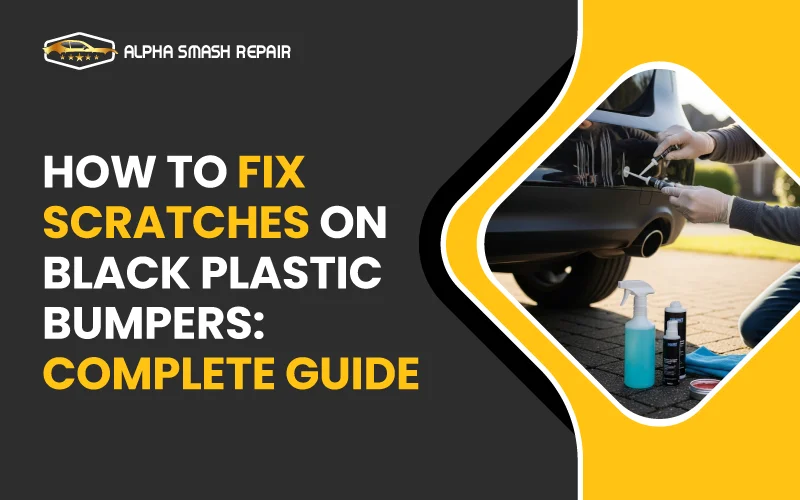
How to Fix Scratches on Black Plastic Bumpers: Complete Guide
Black bumpers are tricky—they show every little scratch like a neon sign screaming, "Oops". Over time, these marks can make your vehicle look older and negatively reduce its market value. Whether it's a minor scrape from a shopping cart or a big scratch from an unexpected parking lot mishap, blemishes like these can feel frustratingly permanent. The good news? Many scratches on plastic bumpers can be removed at home using proper methods.
Keep reading to discover how to fix a scratch on a plastic bumper and make it look like new again.
Why Black Plastic Bumpers Scratch Easily
- 🧴 Abrasive chemicals that can dull a car's surface
- 🌬️ Weathering and oxidation from elements
- ☀️ Constant sun exposure
- 🛡️ Lack of protective clear coat
- 🛒 Contact with objects like shopping carts or car doors
- 🚗 Frequent minor impacts in parking lots or low-speed bumps
- 🧽 Improper cleaning tools, such as rough brushes or dirty clothes
- 🌫️ Road grit, sand, and dust that scratched when wiped or washed
- ⚡ Plastic's natural softness makes scratches visible
Materials You'll Need For Black Plastic Bumper Scratch Removal
| Tool/Product | Purpose | Notes |
|---|---|---|
| Microfiber cloth | Cleaning and polishing | Non-abrasive to avoid further scratches |
| Car soap and water (Mild soap) | Pre-cleaning | Removes dirt/grime |
| Automotive plastic polish | Polishing scratches | For light scratches |
| Sandpaper (2000-3000 grit) | Smoothing deep scratches | Keep wet while sanding |
| Plastic bumper restorer/black trim spray | Restores colour and finish | Finishes the repair professionally |
| Masking tape | Protecting areas | Optional for professional-like results |
Black Bumper Scratch Removal Methods: From Light Scuffs to Deep Scratches
| Scratch Type | Recommended Method | Estimated Time | Estimated Cost |
|---|---|---|---|
| Light | Plastic polish | 15-30 mins | $10–$25 |
| Medium | Sanding + polish | 1-2 hours | $20–$50 |
| Deep | Professional detailing | 2-4 hours | $100–$250+ |
DIY Methods For Fixing Scrapes On A Plastic Bumper
Clean and Assess the Scratch
Wash the black car bumper thoroughly. Dirt, debris, and sand can make the scratch damage more visible if rubbed aggressively.
Once clean, check:
- Light Scratches: Surface-level, usually fixable at home.
- Deep Scratches: Need sanding or professional help.
Heat Gun or Hair Dryer Method
Heat softens plastic and allows it to reshape itself.
- Use a heat gun or hair dryer (but keep the temperature low).
- Move it evenly—never stay in one spot.
- Let the plastic cool naturally.
✅ Best for faded or shallow scratches.
⚠️ Avoid overheating, as it can warp plastic.
Plastic Restorer or Trim Restoring Products
Special plastic restores darkened and rejuvenates scratched areas.
- Apply with a microfiber cloth over the black car plastic bumper.
- Buff gently in circular motions.
✅ Ideal for light scratches and scuffs.
❌ Won't fix deep scratches.
Polishing Compound or Scratch Remover
Mild abrasive smooths out fine scratches.
- Use a plastic-safe compound.
- Buff gently using a dual-action polisher or microfiber cloth.
✅ Works well for surface scratches.
⚠️ Don't over-polish.
Wet Sanding
For scratches you can feel with your fingernail.
- Start with 1000-2000-grit sandpaper.
- Wet the area while sanding.
- Finish with polish or restorer.
✅ Effective but needs patience.
⚠️ Risky if done aggressively.
Touch-up Paint or Plastic Filler
For deeper scratches that expose light plastic.
- Use bumper-specific black paint.
- For deeper scratches, apply plastic filler first.
✅ Improves appearance significantly.
❌ Not always invisible.
When to Call a Professional Bumper Scratch Removal Team
- Deep scratches or gouges
- Cracks or structural damage
- Multiple or extensive scratches
- Painted or color-matched bumpers
- Previous DIY attempts gone wrong
- Maintain vehicle resale value
- To save time and reduce stress
DIY vs. Professional Scratch Removal Method: Pros & Cons
| Removal Method | Pros | Cons |
|---|---|---|
| DIY | Low cost, quick for minor scratches, convenient at home | Requires time and patience, may not fix deep scratches perfectly, risk of uneven finish |
| Professional | High-quality, long-lasting results, handle deep scratches and fading, guarantees finish | Higher cost, requires scheduling, and may involve traveling to a detailing center |
Expert Recommended Tips: Prevent Future Scratches
- Rinse Before Wiping: Never wipe your car bumper when it's wrapped in dirt, dust, or grit.
- Use Microfiber Clothes: Avoid rough sponges or towels; use gentle microfiber clothes.
- Wash with Gentle Soap: Using household detergents can harm the protective coatings; it's best not to use them.
- Dry Carefully: After washing, pat the bumper dry with a clean microfiber towel.
- Apply Plastic Restorers Regularly: Protect your plastic bumper with a plastic restorer or trim protector.
- Park Smartly: Avoid tight spaces, areas with high traffic, and shopping carts.
- Consider Protective Films: The coatings or films on car bumpers add an extra layer of protection.
- Regular Maintenance Inspections: Regularly check your car bumper for small scratches and address them promptly with a DIY or professional method.
FAQs: Removing Scratches From Car Plastic Bumper
Can I buff out scratches on the car's plastic bumper at home?
Yes, light scratches can be removed easily at home using plastic polish, scratch removers, or a microfiber cloth with gentle buffing.
Which is the best product to remove scratches from a plastic bumper?
Plastic polish, dedicated scratch removers, and trim restorers are the best options to use for black plastic bumpers.
Will sanding damage my black plastic bumper?
If done improperly, yes. Always use fine-grit, wet sandpaper and follow with polish to avoid making scratches worse.
Can I use toothpaste for plastic bumper scratches?
Yes, for light scratches, it might work as a temporary fix. But it's not an ideal choice for deep bumper scratches.
How often should I apply a bumper restorer?
Every 2-3 months is ideal, or whenever your plastic car bumper looks dull.
How to get rid of deep scratches on my black plastic bumper?
Hire a professional bumper scratch removal team to get rid of those annoying marks on your vehicle without causing further damage.
Can bumper scratches affect car resale value?
Yes, visible scratches can reduce the overall resale value of a car.
Key Takeaways
- Bumper scratches are common but repairable at home or professionally.
- Regular cleaning, restorers, and protective measures prevent future scratches.
- DIY works for light scratches using polish and sanding.
- Professionals handle serious or extensive damage reliably.
- Prompt bumper scratch repair maintains appearance and resale value.
- Choose the right method for scratch removal based on the severity.
Conclusion: Restore, Protect, and Shine Your Plastic Black Bumpers
Scratches on black plastic bumpers are common but not permanent. But with proper tools, techniques, and preventive measures, most scratches can be removed at home within an affordable range. For deeper scratches, it's compulsory to hire the leading auto repairers who provide professional, long-lasting results. Choose between DIY or professional scratch repair, depending on the severity of damage or budget—picking the right path makes your car shine like new, mile after mile.