
-
Services
Our Services
- Panel Beating
- Dent Removal
- Car Spray Painting
- Bumper Repair
- Windscreen Replacement
- Fleet Repairs Perth
- Hail Damage Perth
- Luxury Car smash repair
- Car Mechanic Perth
- Car Scratch Repair Perth
- Ceramic Coating
- Car Insurance Claim
- Minor Accident Repair
- full car respray Perth
- Car repainting perth
- colour change respray
- paint restoration Perth
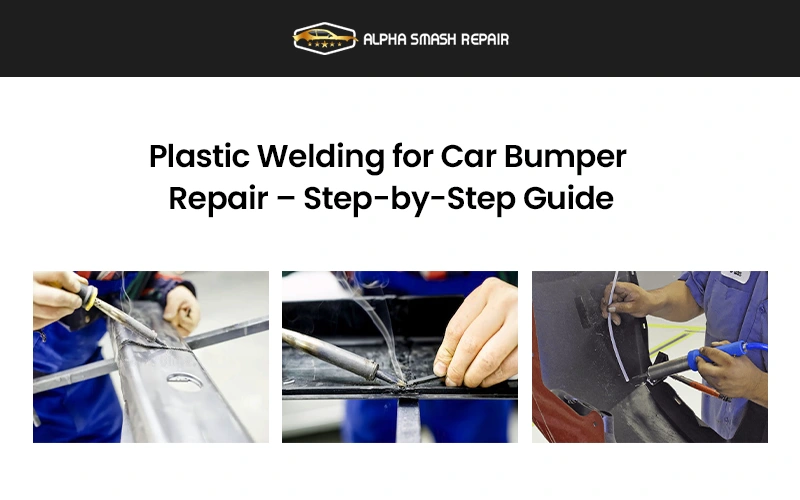
An innovative, budget-friendly, and efficient way to repair cracked or damaged bumpers at home
What is Plastic Welding?
Plastic welding is a modern technique that involves using heat to melt the plastic and bond it back into one solid piece.
Tools Needed for Plastic Welding
Plastic Welder
Primary tool to melt the plastic
Welding Rods
Used to fill in the cracks
Sandpaper
To prepare the surface for welding
Clamp
Helps hold the crack in place
Step-by-Step Process to Weld a Cracked Bumper
1Prepare the Surface
Clean the cracked area using sandpaper to remove dirt, debris, and old paint.
2Align the Crack
Use clamps to hold the cracked pieces in place, ensuring proper alignment while welding.
3Heat the Plastic
Set the plastic welder temperature between 500°F and 600°F to heat the cracked area.
4Apply the Welding Rod
Insert the rod into the melted plastic, filling the crack and bonding the pieces together.
5Smooth the Welded Area
After cooling, smooth the welded area with sandpaper until it matches the bumper level.
6Clean and Finish
Clean with a cloth and paint with matching car paint. Apply a paint finish for smooth appearance.
Common Plastic Welding Mistakes
Pros and Cons of Plastic Welding
Pros
Cost-Effective
More affordable than car bumper replacement
Fast Repair
Restore showroom quality within an hour with proper tools
Eco-Friendly
Helps reduce environmental waste
Durability
Long-lasting results that withstand daily wear and tear
Cons
Not Suitable for All Plastics
Luxury car bumpers may require specialized techniques
Time-Consuming
Takes time for beginners to complete repairs
Skills Required
Requires certain skill level for seamless results
When to Choose Welding vs Other Methods
Choose Plastic Welding When:
- Small crack or tear in the bumper
- You want durable, lasting repair
- Bumper is made of polypropylene or polyethylene
- New bumper cost is higher than welding
Consider Other Methods When:
- Damage is extensive
- Plastic bumper is difficult to weld
- You prefer adhesive or repair kits
Conclusion: Repair Smart, Save More
Plastic welding is a valuable skill for restoring the appearance and functionality of your car while saving both money and time.
Key Considerations:
By weighing every point, you can decide when to choose plastic welding or other methods for car bumper repair, ensuring your vehicle looks its best and is roadworthy again.