
-
Services
Our Services
- Panel Beating
- Dent Removal
- Car Spray Painting
- Bumper Repair
- Windscreen Replacement
- Fleet Repairs Perth
- Hail Damage Perth
- Luxury Car smash repair
- Car Mechanic Perth
- Car Scratch Repair Perth
- Ceramic Coating
- Car Insurance Claim
- Minor Accident Repair
- full car respray Perth
- Car repainting perth
- colour change respray
- paint restoration Perth
Our Locations
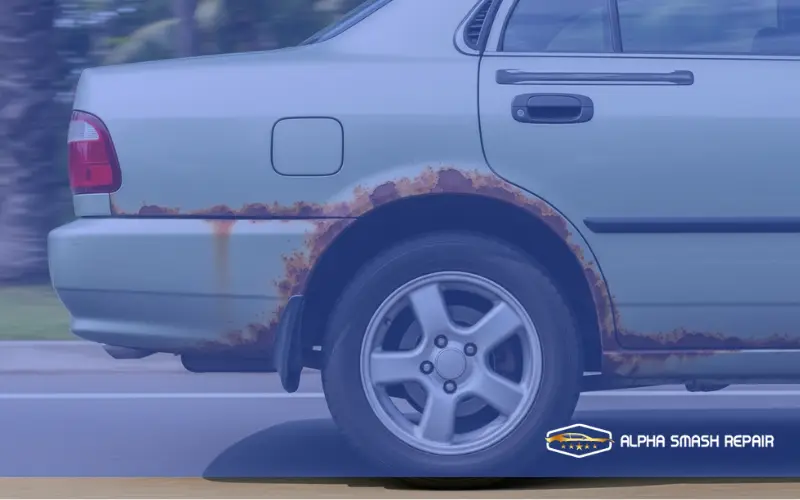
Vehicle corrosion is one of the most serious threats to your car's longevity and value. Today we're going to show you exactly how to protect your vehicle from rust and corrosion using proven techniques that actually work.
Understanding Corrosion: What You're Fighting Against
Corrosion development on vehicles happens when water and moisture interact[1] with your vehicle's metal surfaces over time. The impact of water and moisture on vehicle surfaces creates the perfect environment for rust[2] to take hold and spread.
Why Corrosion Happens
- Moisture exposure from rain, snow, and humidity
- Salt contamination from road treatments and coastal air
- Chemical exposure from environmental pollutants
- Paint damage that exposes bare metal to elements[3]
The Cost of Neglect
Once corrosion starts, it spreads quickly and becomes exponentially more expensive to repair. Prevention is always cheaper than restoration.
Common Mistakes That Accelerate Corrosion
Using Contaminated Water
Using dirty or impure water on vehicle[4] surfaces significantly increases corrosion risk. When you wash your car with contaminated water, you're essentially applying corrosive agents directly to the paint and metal.
Improper Washing Methods
Risk of increased corrosion due to improper washing techniques includes:
- Leaving soap residue on surfaces
- Using dirty wash mitts or towels
- Washing in direct sunlight
- Not rinsing thoroughly
Ignoring Water Management
Poor water management during and after washing creates ideal conditions for corrosion to begin.
Proper Water Usage Techniques
Use Clean, Fresh Water Immediately
Timing is everything - use clean, fresh water immediately after washing or applying treatments. This reduces the chance of mineral deposits and contaminants sitting on your paint.
Why immediate action matters:
- Prevents water spots from etching into paint
- Removes corrosive contaminants before they bond
- Maintains protective coating integrity
Timing Importance
Applying water right after treatment reduces corrosion chances significantly. Don't let treatments sit on surfaces without proper rinsing - this can actually cause more harm than good.
Identifying Early Signs of Rust
Spotting Dandruff-Like Rust Particles
Learn how to spot those small, dandruff-like rust particles that appear on your vehicle's surface. These are often the first visible signs that corrosion has begun.
What to look for:
- Small, reddish-brown flakes
- Rough texture on smooth surfaces
- Discoloration around edges and seams
- Bubbling or blistering paint
The Nail Polish Test
Using nail polish or protective coatings[5] to seal small rust spots can stop progression if caught early enough. This is a temporary fix that buys you time to plan proper repairs.
How it works:
- Clean the affected area thoroughly
- Apply clear nail polish over small rust spots
- Creates a moisture barrier
- Prevents oxygen from reaching the metal
Preventive Coatings and Treatments
Application of Protective Layers
Caster oil and clear coatings work effectively when applied correctly:
- Clean surface preparation is critical
- Apply thin, even coats
- Allow proper drying time between applications
- Reapply according to manufacturer recommendations
Allowing Sufficient Drying Time
After applying coatings, you must ensure effectiveness by allowing complete drying. Rushing this process compromises the protective barrier and wastes your time and money.
Drying best practices:
- Follow temperature and humidity guidelines
- Provide adequate ventilation
- Avoid dust and debris during curing
- Test cure before exposing to moisture
Troubleshooting Existing Damage
Steps to Repair Paint Peeling
When you find paint peeling or damaged areas:
- Assess the damage extent - determine if it's surface level or deep
- Clean the area thoroughly - remove all loose paint and rust
- Treat exposed metal - apply rust converter if necessary
- Prime and paint - use quality automotive products
- Protect the repair - apply additional protective coatings
Water Management During Repairs
Importance of water management during repairs cannot be overstated. Water getting into repair areas before proper sealing can cause damage worse than the original problem.
Professional Products and Tools
Recommended Rust Prevention Products
- Rust converters for treating existing corrosion
- Protective waxes for regular maintenance
- Undercoating sprays for vulnerable areas
- Cavity wax for internal protection
Technology for Monitoring
Using technology like mobile apps to monitor vehicle condition helps you stay ahead of corrosion problems. Many apps can remind you when treatments are due and help track problem areas.
Best Practices for Long-Term Protection
Regular Cleaning Schedule
Proper washing techniques should be performed regularly:
- Weekly washing in normal conditions
- Bi-weekly washing in harsh environments
- Monthly deep cleaning including undercarriage
- Seasonal protection applications
Reapplication of Protective Coatings
Reapplication of protective coatings periodically ensures continuous protection. Don't wait until you see problems - prevention is always easier than repair.
Recommended schedule:
- Wax protection: Every 3-4 months
- Undercoating: Annually
- Cavity treatment: Every 2 years
- Paint protection: As needed based on condition
Environmental Considerations
High-Risk Environments
If you live in areas with:
- Road salt usage during winter
- Coastal environments with salt air
- Industrial pollution
- High humidity climates
You need more aggressive protection and more frequent maintenance.
Seasonal Protection Strategies
Adjust your protection routine based on seasons:
- Winter: Focus on undercarriage protection
- Spring: Thorough cleaning and damage assessment
- Summer: UV protection and paint care
- Fall: Preparation for harsh weather
Summary: Prevention is Your Best Defense
The key points to prevent corrosion effectively:
- Use clean water and proper washing techniques
- Apply protective coatings regularly and correctly
- Catch problems early through regular inspection
- Maintain consistent protection schedules
- Address damage immediately before it spreads
Taking Action: Your Next Steps
Remember, corrosion prevention is an ongoing process, not a one-time treatment. Stay consistent with your protection routine, and your vehicle will maintain its value and appearance for years to come.
Start today by:
- Inspecting your vehicle for early signs of corrosion
- Gathering the right products for your situation
- Creating a maintenance schedule
- Taking photos to track changes over time
Don't wait until you see rust - by then, you're already fighting an uphill battle. Prevention costs pennies compared to restoration dollars.
Reference:
[1] https://www.nature.com/articles/s43247-025-02145-z
[2] https://www.reddit.com/r/rust/comments/er3xf9/what_is_the_best_ide_for_developing_in_rust/
[3] https://www.uti.edu/blog/collision/ruin-car-paint
[4] https://www.cilajet.com/blog/dangers-of-hard-water-deposits-on-your-vehicle/
[5] https://www.yahoo.com/lifestyle/18-brilliant-uses-clear-nail-145458831.html